International employers need more than access to candidates. They need a recruitment channel that can work consistently, support recurring demand and scale as business needs grow.
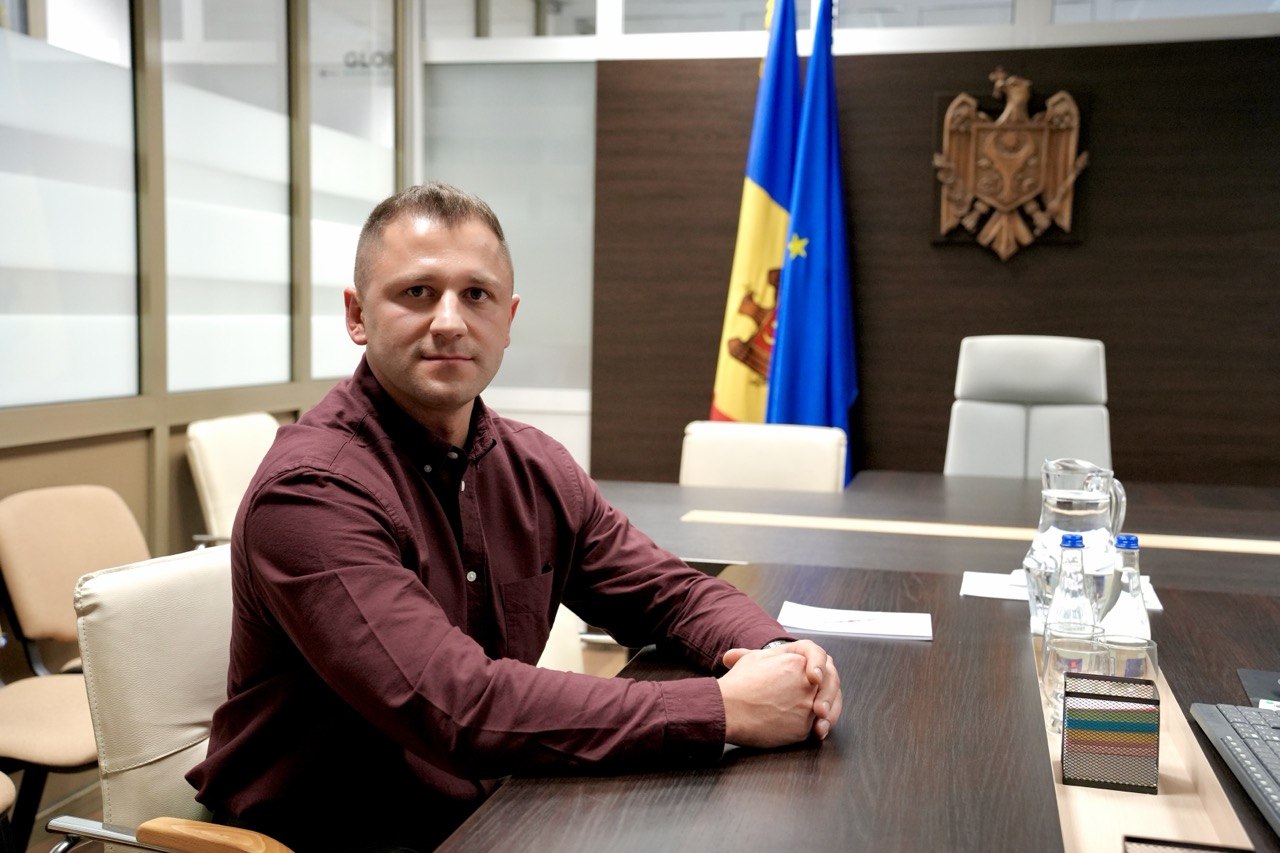
On 19 November, Michał Kapuściarz, representing Polish recruitment company MK Job, spent a working day with ARA in Chișinău. The programme included visits to several parts of the ARA recruitment network, meetings with local teams, candidate interviews and a final discussion at ARA headquarters.
The purpose was practical: to see what stands behind ARA’s recruitment capacity in Moldova.
Not a presentation. Not a database of CVs. A working recruitment system.
Recruitment Capacity Is More Valuable When a Partner Can See It in Action
Many recruitment providers can promise access to candidates. For an international employer, the more important question is how that access is organised.
During the visit, MK Job was able to observe how different ARA teams work with the local candidate market, how information moves through the recruitment structure and how individual recruitment units connect with central coordination.
This is one of the key advantages of the ARA model.
A foreign partner does not have to build its own recruitment structure in Moldova or manage multiple separate candidate sources. ARA evaluates the personnel request, coordinates recruitment, performs preliminary selection and enables the partner to participate in the final candidate choice. A dedicated manager coordinates the project centrally.
The result is more than a flow of CVs. It is access to an established recruitment channel.
ARA currently places approximately 1000 workers in EU employment every month and organises more than 5000 candidate interviews monthly. This scale gives international partners access to a market that is already being actively managed rather than developed from scratch for every new project.
Why the Moldovan Market Matters to MK Job
MK Job has been operating for seven years and provides employers with recruitment support ranging from consultation to project coordination. The company positions its role around building teams that support business growth and works across international labour markets.
For cooperation with Moldova, current opportunities are particularly relevant in construction and food production. MK Job’s active portfolio includes construction roles such as steel fixers, concrete workers, electricians and interior finishing workers, as well as positions related to poultry and beef processing.
For some projects, candidates without previous experience can also be considered, with training provided at the workplace. From a workforce-planning perspective, this matters. Employers are not limited to competing for a small pool of fully trained specialists. Where the production model allows it, recruitment can also focus on candidates who meet the requirements for motivation, reliability and readiness to learn.
But candidate availability alone does not create a scalable recruitment strategy. The local channel behind it does.
From a Candidate Market to a Managed Workforce Channel
The first recruitment order is only one test of a partnership. The more important test comes later. What happens when ten workers become thirty? When a new construction site opens? When production expands? When another group is needed several months after the first one?
At that point, the value of a recruitment partner is no longer measured only by how quickly the initial request was filled. It is measured by the ability to maintain access to candidates, adapt selection criteria and increase recruitment capacity when the business requires it.
ARA is structured around this principle. Local recruitment activity is connected with central coordination of partner relations, candidate selection and operational processes. For an international employer, this can turn Moldova from a one-time source of applicants into a market that can be developed systematically.
Why Partner Visits Matter
Much of international recruitment can be managed remotely. But a physical visit reveals things that are difficult to evaluate through a report or video call.
How do local teams communicate with candidates? How are interviews organised? How quickly can a requirement move through the network? How does the recruitment system react when the partner changes the profile or volume? The MK Job visit provided an opportunity to observe these processes directly.
It also gave ARA a better understanding of the Polish partner’s projects, expectations and workforce requirements. That changes the nature of cooperation. Instead of a simple transaction — vacancy, CV, placement — both sides begin to understand how the other operates. This creates better conditions for planning recruitment beyond the immediate order.
From the First Project to Scalable Cooperation
For MK Job, construction and food production provide a practical basis for recruitment cooperation with Moldova today.
The strategic value is broader. A partner can begin with a defined staffing requirement, work directly with the ARA recruitment system, participate in candidate selection and assess the results. If the model works for the business, the recruitment volume can grow with the project.
This is the proposition ARA brings to international employers: not simply candidates from Moldova, but an established recruitment channel that a partner can see, evaluate and scale according to real business demand.
For European companies facing recurring workforce requirements, this distinction matters. The objective is not only to fill today’s vacancies. It is to build recruitment capacity for what the business may need next.