A strong recruitment partnership proves its value when it continues to grow.
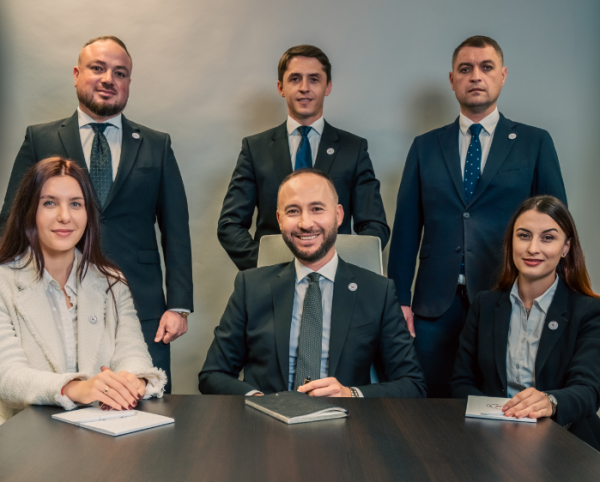
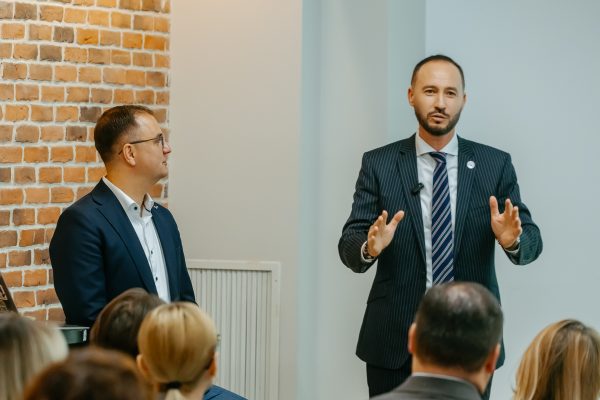
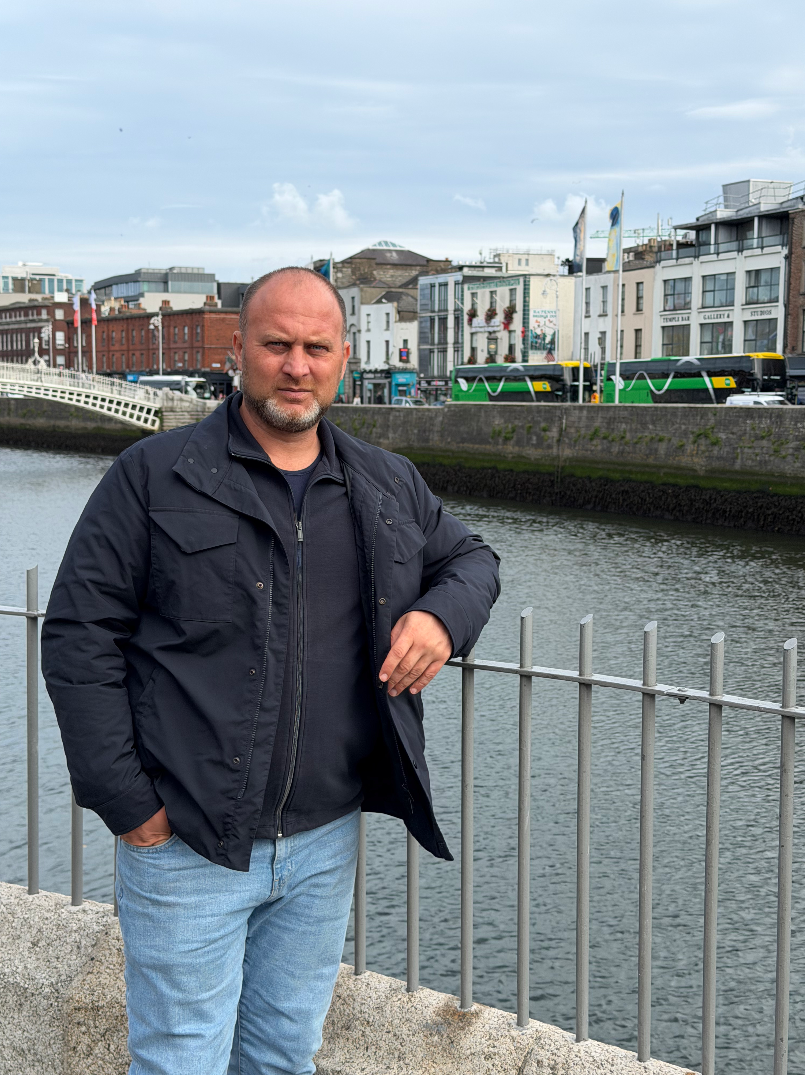
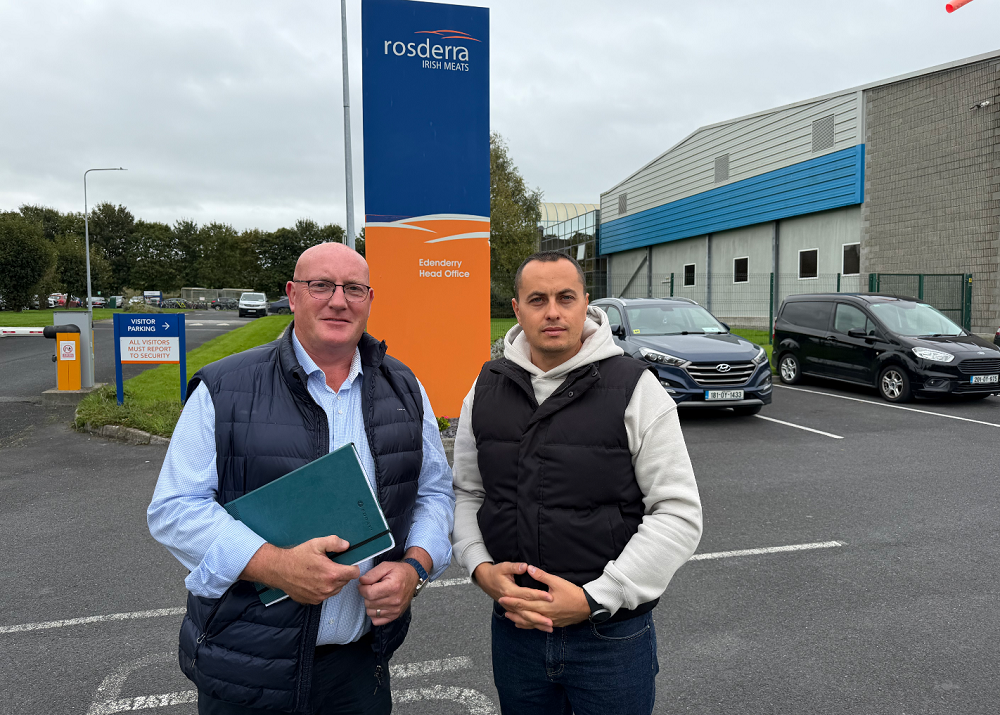
ARA representatives are currently in Ireland, meeting with long-standing partner Andrew Donlon and discussing the next stage of cooperation. After eight years of recruitment projects on the Irish market, the conversation is moving beyond individual vacancies toward larger workforce plans, recurring demand and the capacity to support employers over the long term.
Current discussions include the potential recruitment of hundreds of workers over the coming six months, including for companies in the meat-processing sector. For ARA, this is more than a larger order. It is evidence that a recruitment relationship built over time can become part of an employer’s workforce strategy.
Ireland’s labour market still needs international recruitment
Ireland enters the second half of 2026 with a resilient labour market. Employment reached approximately 2.84 million people in Q2 2026, while the monthly unemployment rate stood at 5.0% in August. At the same time, the Irish government continues to adjust employment policies in response to labour and skills shortages in construction, healthcare, transport and agri-food.
The agri-food sector is particularly relevant to ARA’s current cooperation. At the end of 2025, the government introduced a quota of 1000 General Employment Permits for meat-processing operatives specifically to address workforce constraints. By 26 August 2026, that quota was already oversubscribed and almost filled — a clear indication of continuing demand in the sector.
The business behind that demand is substantial. Irish food, drink and horticulture exports reached a record €19 billion in 2025. Meat and livestock exports exceeded €5 billion, increasing by 18% year on year. Bord Bia’s outlook also shows the continuing importance of the meat sector to Irish exports in 2026.
For employers, these figures reinforce a practical reality: access to labour remains an operational issue, not simply an HR discussion.
Why long-term recruitment channels matter
When a company needs several employees, recruitment can be treated as a short project. When it needs dozens or hundreds of people over several months, the model has to change.
The employer needs a partner that already understands the project, can maintain candidate flow, adjust volumes and plan around business demand. Starting from zero with every new hiring round costs time and creates unnecessary uncertainty.
This is where ARA’s experience in Ireland becomes valuable. Eight years of cooperation have created working knowledge of the market and, more importantly, relationships that can be expanded when demand grows.
The current discussions with Andrew Donlon illustrate this clearly. The willingness to consider larger volumes and a six-month recruitment horizon reflects confidence in an established recruitment channel and in the quality of the selection process behind it.
What Ireland can offer candidates
The same development that matters to employers can create new opportunities for people considering work in Ireland.
From 1 January 2026, Ireland’s national minimum wage for employees aged 20 and over is €14.15 per hour. Actual earnings depend on the position, employer, shift pattern, overtime and contract conditions, but the statutory wage floor provides an important benchmark and level of protection.
For candidates, Ireland can represent more than a short-term income opportunity. Experience in an established European labour market can help build professional discipline, practical skills, language confidence and a stronger employment history. For people who perform well and remain on a project, longer cooperation may also create opportunities to take on additional responsibility or move into more skilled functions over time.
At the same time, Ireland itself does not guarantee a particular salary or career outcome. Every opportunity depends on the specific employer, role and contract. This is why clear conditions and professional recruitment remain important when evaluating any offer.
Good recruitment creates trust on both sides
Long-term cooperation is not sustained by recruitment volume alone.
Employers continue working with a recruitment channel when the people arriving on projects meet requirements, understand their responsibilities and confirm in practice that the selection process works.
The strongest evidence is not a general claim about candidates from one country. It is the business decision to continue cooperation. ARA has been active in Ireland for eight years, and existing partners are now discussing expansion rather than looking for an alternative recruitment model.
For other Irish employers, this is an important signal. ARA is not entering the market with an untested concept. It is building on existing experience, established relationships and repeated recruitment projects.
The next stage in Ireland
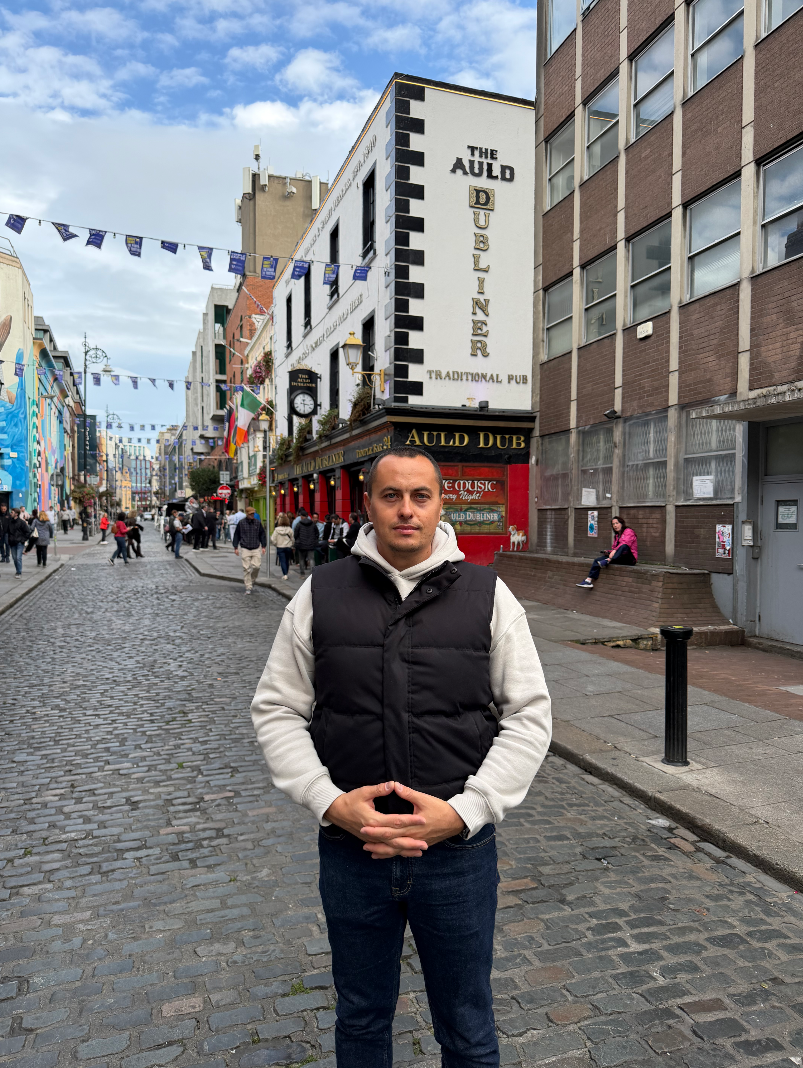
The current visit is therefore both a continuation and a new starting point.
Existing cooperation is moving toward larger workforce planning, while the Irish market continues to show demand in sectors where recruitment remains challenging. For new employers, this creates an opportunity to work with a partner that already understands international hiring and can develop recruitment around real operational needs.
For candidates, broader cooperation can gradually translate into more projects and more opportunities to consider Ireland as a serious destination for employment and professional development.